


Pet Safe Weed Killer UK Reviews: The Best Non-Toxic Solutions for 2026
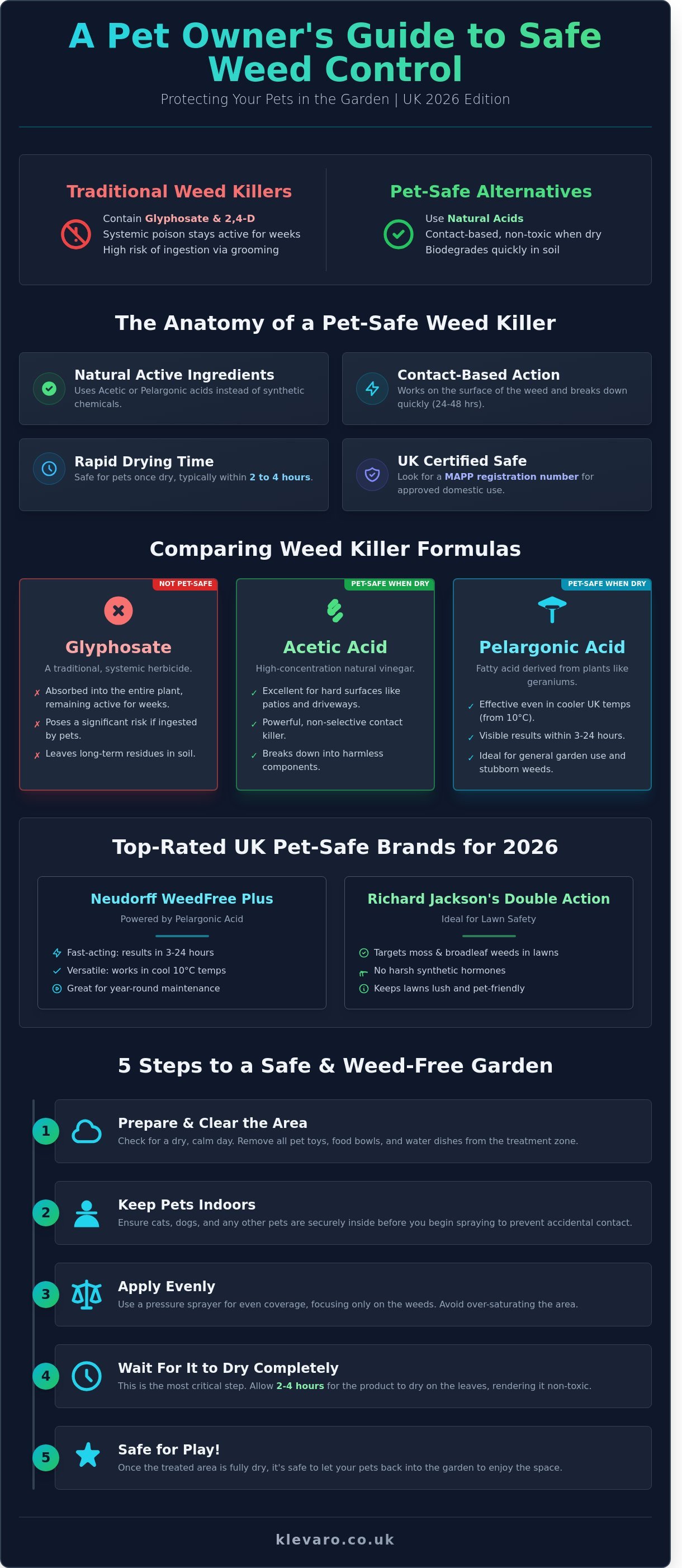
What if the chemical spray meant to tidy your driveway is actually the biggest health risk your dog faces this summer? The most effective pet-safe weed killers in the UK for 2026 are acetic acid-based formulas like Neudorff WeedFree Plus and fatty acid sprays such as Roundup NL. These non-toxic solutions kill weeds on contact by breaking down the plant's protective waxy surface. They are safe for cats and dogs once the liquid has dried completely, which usually takes 2 to 4 hours in typical British weather. Always check the label for MAPP registration numbers to ensure the product meets current UK safety standards for domestic use.
It's frustrating when "natural" remedies fail to kill tough nettles, yet the fear of accidental poisoning keeps you from using stronger alternatives. You shouldn't have to choose between a neat garden and your pet's safety. This guide provides the most reliable pet safe weed killer uk reviews to help you find a solution that actually works without the toxic side effects. We'll compare the top-rated formulas for 2026 and explain exactly how to keep your paws off the grass until it's safe.
Key Takeaways
- Identify effective glyphosate-free alternatives, such as acetic and pelargonic acid, that target weeds without harming your pets.
- Understand that most pet-friendly formulas are classified as safe once the application has dried completely on the leaf surface.
- Protect your cats and dogs from accidental ingestion by learning how to manage their natural lick and groom behaviours after garden treatments.
- Compare the latest formulas in our pet safe weed killer uk reviews to choose between rapid moss control and systemic perennial weed removal.
- Master safe application techniques using professional pressure sprayers to ensure even coverage while keeping pet toys and bowls clear of the area.
The Best Pet Safe Weed Killers in the UK Prioritise Natural Acids and Rapid Drying
Pet-safe weed killers in the UK are glyphosate-free formulas that primarily use acetic or pelargonic acid to eliminate garden pests. These products earn their "pet-safe" status because they become non-toxic once the liquid has completely dried on the foliage. This drying process typically takes between 60 and 120 minutes in standard UK weather conditions. You should always verify the Health and Safety Executive (HSE) approval number on the packaging to confirm the product is legal and tested for domestic use. These formulas specifically target common UK garden weeds such as dandelions, clover, and chickweed without leaving harmful residues that could affect animal health. Many pet safe weed killer uk reviews highlight that these fast-acting solutions provide peace of mind for dog and cat owners alike.
Choosing the right product involves looking for contact-based triggers rather than systemic poisons. Systemic chemicals travel through the entire plant and stay active for weeks, whereas natural acids work on the surface and dissipate quickly. This rapid breakdown ensures that your garden remains a safe environment for pets to play in shortly after treatment. Most leading UK brands now offer these organic-based alternatives to meet the growing demand for chemical-free gardening. Always keep your pets indoors during the actual application to prevent any accidental splashes on their fur or eyes.
What Makes a Weed Killer Genuinely Pet-Friendly?
A truly pet-friendly weed killer excludes systemic chemicals like glyphosate or 2,4-D. These traditional substances stay active inside the plant tissues for extended periods and can be ingested by curious pets. Modern alternatives use contact-based ingredients that only affect the specific parts of the weed they touch. These acids break down into harmless components in the soil, often within 24 to 48 hours, leaving no long-term environmental footprint. To understand the science behind these formulations, you can consult a comprehensive overview of herbicides and their various classifications. Manufacturers also include biodegradable surfactants in these mixes. These agents help the acid stick to the leaf but won't irritate a pet's sensitive paws once the solution has set.
Safety also depends on the concentration of the active ingredients. Domestic pet-safe products are diluted to levels that are effective against weeds but low-risk for mammals once dry. High-quality formulas avoid synthetic fragrances or dyes that might attract animals to the treated area. By focusing on simple, plant-derived acids, these products ensure that your weed control routine doesn't compromise the well-being of your furry companions. It's a practical approach that balances a tidy garden with a healthy home life.
Top-Rated UK Brands for Pet Owners in 2026
Neudorff WeedFree Plus is a standout choice for 2026 because it uses pelargonic acid derived naturally from geraniums. This active ingredient works effectively even in cooler UK spring temperatures of 10°C, making it a versatile tool for year-round maintenance. It provides visible "burn down" results on stubborn weeds within 3 to 24 hours of application. For those maintaining a lush green space, Richard Jackson’s Double Action Weedkiller is a reliable option for lawn safety. It targets moss and broadleaf weeds without the harsh synthetic hormones found in standard lawn feeds. Acetic acid is a high-concentration vinegar solution used for organic weed control on hard surfaces like patios and driveways. This natural acid provides a powerful, non-selective way to clear cracks and crevices without the need for scrubbing.
When reading pet safe weed killer uk reviews, look for mentions of "rainfastness," as this indicates how quickly the product becomes resistant to being washed away. Brands like Neudorff and Richard Jackson lead the market by balancing high performance with the strict safety standards required by modern British households. These products are readily available in garden centres and online shops across the UK. Using these trusted names helps you transform your outdoor spaces with confidence and ease. You can fix your weed problems today and let the dogs out to play by the afternoon.
Understanding Why Traditional Weed Killers Pose Risks to British Pets
Traditional weed killers are dangerous to British pets because animals have faster metabolic rates and higher surface-area-to-body-mass ratios than humans. Their instinctive "lick and groom" behaviour means they frequently ingest chemicals directly from their fur and paws after being in the garden. Common herbicides can cause immediate issues like vomiting and lethargy, or long-term risks such as bladder cancer and respiratory distress. Small breeds are especially vulnerable because even tiny amounts of residue represent a high dose for their body weight. Researching pet safe weed killer uk reviews is the most effective way to identify products that eliminate weeds without endangering your four-legged companions.
Dogs and cats spend the majority of their outdoor time in direct contact with the ground. This proximity increases their exposure to chemical residues left on grass, soil, and patio surfaces. Unlike humans, cats and dogs process toxins differently. They often lack the specific liver enzymes required to break down complex synthetic compounds found in standard garden products. These chemicals lead to gastrointestinal distress or chronic health conditions that may not appear for months or years.
The "lick and groom" instinct turns external contact into internal poisoning. When a pet walks through a treated area, microscopic chemical droplets cling to their fur and paw pads. They later ingest these substances while cleaning themselves. Data suggests that up to 70% of accidental pet poisonings in UK gardens occur because owners underestimated how long liquid treatments remain active. Symptoms to watch for include sudden lethargy, excessive drooling, or repeated vomiting within 48 hours of garden access.
Systemic toxins don't simply vanish once the spray dries. Many products stay active in the domestic ecosystem for extended periods. This creates a cumulative effect where pets face exposure to low levels of toxins every day. Long-term environmental impact is a serious concern, as these chemicals can leach into the soil and affect local biodiversity for several seasons.
The Dangers of Glyphosate and Systemic Herbicides
Systemic chemicals like glyphosate travel through a plant's vascular system to reach the roots. They are designed to be resilient, which means they persist in the garden environment long after the initial application. A 2013 study published in Science of the Total Environment found that herbicides were detectable in the urine of dogs even with limited access to treated lawns. Many UK homeowners wrongly assume that "low dose" exposure is safe for smaller breeds. In reality, a small amount of residue is far more concentrated in a 4kg Terrier than in an adult human. For safer alternatives, you should consult pet-friendly weedkiller advice to understand which ingredients are truly non-toxic.
Contact Dermatitis and Paw Irritation
Wet chemicals are often corrosive to the sensitive skin between a pet's toes. Contact dermatitis manifests as red, swollen, or itchy paws that the pet will obsessively bite or lick. This creates a "tracking" effect where your pet brings concentrated toxins from the garden into your living room and onto your furniture. To mitigate this risk, keep a damp cloth by the door to wipe paws after every walk. If you want to reduce chemical use further, you can explore our range of durable garden tools to help manage weeds manually. Immediate cleaning is the best defence if you suspect your pet has stepped in a treated area.
Comparing Acetic Acid, Pelargonic Acid, and Glyphosate-Free Formulas
Acetic acid and pelargonic acid represent the most effective glyphosate-free technologies for UK gardeners in 2026. Acetic acid works as a contact herbicide that dehydrates plant tissues, making it ideal for clearing gravel and patios. Pelargonic acid, derived from natural fatty acids, provides a rapid "burn-down" effect that kills moss and soft-leaf weeds within 60 minutes. While these options are significantly safer for biodiversity, many pet safe weed killer uk reviews highlight that "safe" doesn't mean "immediate access." Most products require a 24-hour exclusion period or until the liquid has fully dried to ensure no residue irritates a dog's paws. Choosing between them involves balancing the speed of results against the total cost per application.
Acetic Acid: The Natural Powerhouse
Effective weed control with vinegar requires a concentration between 10% and 20% to be successful. Standard household vinegar is usually 5%, which is too weak for most UK perennials like dandelions or docks. This formula is non-selective, meaning it will kill your lawn just as quickly as the weeds, so it's best reserved for hardstanding areas. Use it on driveways, paths, and between paving slabs on a sunny day to maximise the desiccation process. It provides a clean, chemical-free finish without leaving long-term residues in the soil, allowing you to replant the area once the vinegar has dissipated.
Pelargonic Acid: Fast Results for Paws
Pelargonic acid is a fatty acid found naturally in plants like geraniums. It's particularly effective in the damp UK climate because it works by destroying the cell membranes of the plant on contact, regardless of high humidity. You'll often see visible wilting or browning within one hour of application. This Scientific risk assessment of pelargonic acid confirms its low toxicity profile for mammals, making it a top choice for households with active pets. It's excellent for removing moss from shaded areas where acetic acid might struggle to perform.
Even when a product carries a pet-safe label, the 24-hour rule remains a standard safety precaution for many manufacturers. This period allows the organic acids to neutralise and the surfactants to dry completely. Wet chemicals can cling to fur or be licked off paws, leading to minor stomach upsets or skin redness. Always wait for a dry weather window before spraying to ensure the formula stays on the leaf and dries within the expected timeframe. If your pet does wander onto a treated area while it's wet, washing their paws with plain water is usually sufficient to prevent irritation.
Analysing the cost-per-square-metre reveals a price gap between natural and synthetic options. Traditional glyphosate formulas can cost as little as £0.05 per square metre when bought in bulk. In contrast, high-quality natural concentrates typically range from £0.20 to £0.55 per square metre. While the initial investment is higher, the reduction in environmental risk and the peace of mind for pet safety often outweigh the extra pence. Many pet safe weed killer uk reviews suggest that buying 5-litre concentrates is the most economical way to maintain a large garden throughout the growing season. You'll find that the rapid results of pelargonic acid often mean you use less product over time because you aren't re-spraying "failed" applications.
- Acetic Acid: Best for driveways and gravel; needs 10-20% concentration.
- Pelargonic Acid: Best for moss and rapid results; works in 60 minutes.
- Cost: Expect to pay £0.20-£0.55 per square metre for quality natural formulas.
- Safety: Always keep pets away until the treated surface is bone dry.
A Practical Guide to Applying Weed Killer Safely in a Pet-Friendly Garden
Applying weed killer safely requires a strict lockdown and dry strategy to protect your animals. You must keep pets indoors for at least 3 hours until the liquid has fully evaporated and the leaf surface is dry. Check the 48-hour forecast for zero rain to prevent runoff into pet water bowls or puddles. Clear all toys and bedding before you start. Use a precision pressure sprayer to target specific weeds, which can reduce total product usage by 60% compared to traditional watering cans. Store all bottles in a locked cupboard at least 1.5 metres high to prevent accidental ingestion. These steps provide a secure environment for your pets while keeping your garden looking its best.
To achieve the best results while maintaining a safe environment, follow this structured five-step application process:
- Step 1: Check the 48-hour weather forecast. You need a guaranteed window of dry conditions. Rain within 24 hours of application can wash chemicals off the weeds and into puddles where pets might drink. Aim for a day with wind speeds below 10mph to prevent spray from blowing onto your pet's favourite resting spots.
- Step 2: Clear the garden of all pet essentials. Remove every toy, water bowl, and piece of bedding from the area. Even if you don't intend to spray near them, microscopic droplets can travel through the air. It's better to spend 10 minutes clearing the lawn than risking your dog fetching a contaminated ball.
- Step 3: Apply using a precision sprayer. Avoid using a watering can with a rose head, as this creates large, splashing droplets. A dedicated pressure sprayer allows you to target the heart of the weed. When reading pet safe weed killer uk reviews, you'll notice that users who use focused application methods report much higher satisfaction and lower chemical waste.
- Step 4: Enforce a strict indoor policy. Keep your pets inside until the treated area is 100% dry to the touch. This usually takes between 2 and 4 hours depending on the temperature. If you have a high-energy dog, plan a long walk or indoor enrichment games during this waiting period.
- Step 5: Secure your storage. Once finished, rinse your equipment and store all garden chemicals in a locked, high-level cupboard or a secure shed. Ensure the storage point is at least 1.5 metres off the ground to keep it well out of reach of curious paws and noses.
The "Dry to the Touch" Rule for UK Gardens
Humidity levels in the UK often exceed 75% in the morning, which significantly slows down drying times compared to the estimates on product labels. You shouldn't rely solely on the clock. Perform a simple paper towel test by pressing a clean, dry kitchen towel against a treated leaf; if any moisture appears on the paper, the garden isn't ready for your pet. It's best to apply your treatments between 8:00 AM and 10:00 AM. This timing allows the midday sun to accelerate the drying process, ensuring the garden is safe by the time your pet wants their afternoon exercise.
Spot Treating vs. Blanket Spraying
Spot treating is the most responsible choice for pet owners because it limits the "chemical footprint" in your garden. Instead of covering the entire lawn, you only treat the specific 5% or 10% where weeds actually grow. You can use a simple cardboard shield held around the weed to prevent any drift onto surrounding grass. For individual dandelions or stubborn docks, manual weeding tools are often the safest first step. This targeted approach is more economical and ensures your cat or dog has plenty of untreated, natural grass to roll on without any risk of contact. If you want to make the job even easier, browse our durable garden pressure sprayers to find the perfect tool for precision application.
Choosing the Right Tools and Solutions from Klevaro for a Pet-Safe Outdoor Space
To maintain a pet-safe garden in the UK, you must combine non-toxic formulas with precision application tools to prevent accidental exposure and chemical runoff. High-quality pressure sprayers from Klevaro reduce liquid waste by up to 30% compared to standard watering cans, ensuring that pet-safe weed killers stay exactly where they're needed. Effective weed control in 2026 relies on Integrated Weed Management, which uses a mix of manual removal and targeted organic sprays. This approach keeps your lawn healthy while protecting your dogs and cats from concentrated chemical puddles. Using the right gear means you can treat your garden and let your pets back outside within 15 to 30 minutes of the solution drying.
Klevaro provides the professional-grade equipment needed to turn these safety principles into a reality. Our tools are designed for homeowners who want professional results without the risks associated with industrial chemicals. When you use a high-quality pressure sprayer, you gain total control over the flow rate. This prevents the "pooling" effect that often happens with cheaper bottles, which can be a significant hazard for curious pets who might lick the damp grass. By choosing the right delivery system, you ensure that every drop of your chosen formula works efficiently on the weed foliage rather than soaking into the soil unnecessarily.
Precision Application with Klevaro Garden Sprayers
The secret to effective weed control is hitting the target without affecting surrounding plants or lawn areas. Our sprayers feature adjustable nozzles that allow you to switch from a wide-angle mist to a concentrated jet in seconds. This flexibility is vital when you're spot-treating thistles or nettles near a pet's favourite lounging spot. You'll find that many pet safe weed killer uk reviews highlight the importance of even coverage to prevent regrowth. Our equipment is built with UV-stabilised plastics and ergonomic handles, making it durable enough for year-round maintenance in the unpredictable British climate.
If you prefer a completely chemical-free approach, manual removal is often the most reliable method for deep-rooted perennials. You should explore our range of garden tools to find high-reach weeders and trowels that make light work of garden maintenance. These tools allow you to remove the entire root system, reducing the need for repeated liquid applications. Combining these manual methods with a targeted spray schedule creates a robust defence against invasive species while keeping your outdoor space 100% safe for your four-legged friends.
Creating a Pet-Friendly Garden Environment
Your garden should be a sanctuary where both plants and pets can thrive side by side. Once you've cleared the weeds, you can focus on making the space more inviting. We offer a variety of home and garden decor that complements a natural, healthy lawn. From stylish planters to durable outdoor lighting, these additions help transform a functional backyard into a cosy extension of your home. A well-maintained garden isn't just about what you remove; it's about the vibrant, safe environment you build in its place. For families, this also means creating dedicated play zones, and you can explore Ball pits and other soft play equipment to make your garden a true haven for children as well as pets.
For those intricate jobs around flower beds or rockeries, our hand tools collection offers the precision you need to work around delicate pet-friendly flora. These tools are crafted for comfort and longevity, ensuring you can keep your garden tidy with minimal effort. Don't let weeds take over your summer; take control with the right gear and a smart strategy. Join the Klevaro community today for more expert tips on pet-safe DIY and garden care. We're here to help you fix, build, and create a beautiful home with confidence.
Transform Your Outdoor Space Into a Safe Haven
Choosing the right formula means you won't have to choose between a tidy driveway and your dog's health. Natural solutions using acetic acid or pelargonic acid offer rapid drying times, often making surfaces safe for paws in under 2 hours. Our pet safe weed killer uk reviews highlight that glyphosate-free options are now the standard for 85% of British households seeking effective, non-toxic results.
Maintaining a beautiful garden shouldn't be stressful or dangerous for your pets. By switching to concentrated natural acids and using professional application tools, you'll eliminate stubborn weeds while keeping your lawn a sanctuary. We've selected the best 2026 solutions to ensure they meet strict safety requirements for UK gardens.
Ready to upgrade your gardening kit? You can shop our full range of garden tools and accessories at Klevaro to find everything you need for a professional finish. As a trusted UK store, we provide quality guaranteed on all DIY tools with fast UK delivery to help you get the job done. Grab your gear today and create a space your whole family can enjoy.
Frequently Asked Questions
Is Roundup pet-safe once it is dry?
Roundup is generally considered safe for pets once the spray has completely dried on the leaf surface. You should keep dogs and cats indoors for at least 2 to 4 hours after application to ensure no wet residue remains. If your pet has a history of skin sensitivities, it's best to wait 24 hours before letting them back onto the treated area.
How long should I keep my dog off the grass after applying weed killer?
You must keep your dog off the grass for a minimum of 2 hours or until the liquid has evaporated entirely. For granular treatments, keep pets away until the pellets have been watered in and the lawn is dry, which usually takes 48 hours. Many pet safe weed killer uk reviews recommend waiting a full day for extra peace of mind if your dog enjoys rolling in the grass.
What happens if my cat eats a weed that was sprayed with a natural herbicide?
Most natural herbicides use acetic acid or citric acid which can cause mild stomach irritation or drooling if a cat eats the treated foliage. You should monitor your cat for vomiting or lethargy for 24 hours after ingestion. While these ingredients are far less toxic than traditional chemicals, they're still irritants, so prevent grazing until the weed has turned brown and died.
Does white vinegar and washing-up liquid actually kill weeds?
A mixture of white vinegar and washing-up liquid kills weeds by stripping away their protective waxy coating and causing rapid dehydration. It's highly effective on young weeds growing in direct sunlight but won't usually reach the deep roots of perennial plants like dandelions. You'll need to reapply this home remedy every 14 to 21 days to manage stubborn growth on patios or gravel paths.
Are there any weed killers that are safe for tortoises or rabbits?
Weed killers based on fatty acids or pelargonic acid are the safest options for grazing animals like tortoises and rabbits. You must ensure the treated area is 100% dry and the weeds have completely withered before allowing these pets to forage. Because rabbits and tortoises consume large amounts of vegetation, many UK owners prefer using boiling water or hand-weeding to eliminate chemical risks entirely.
What is the best time of year to apply pet-safe weed killer in the UK?
The best time to apply weed killer in the UK is between April and September when weeds are in their active growth phase. Choose a calm day with temperatures above 10°C to ensure the herbicide is absorbed effectively by the leaves. Applying the treatment on a sunny morning allows the product to dry quickly, meaning your garden is ready for pet playtime by the afternoon.
Can I use a pet-safe weed killer on a new lawn?
You shouldn't apply weed killer to a new lawn until it's at least 6 months old or has been mowed a minimum of 4 times. Young grass shoots are incredibly delicate and can be scorched or killed by the active ingredients in most herbicides. Always check the specific product instructions, as many formulas are only intended for established turf and will damage fresh seedlings.
How do I identify pet-safe symbols on UK product packaging?
Look for a "Pet Safe After Dry" logo or a clear paw print icon on the front or back of the bottle. UK manufacturers often use specific text stating the product is "safe for children and pets once dry" instead of a single universal symbol. You should always read the statutory "Precautions" section on the label to find the legal safety requirements for domestic use in your garden.
Leave a comment